
Purchasing or selling a house in Michigan involves much more than agreeing on a purchase price. There are also closing costs, which include the various fees and expenses paid when a real estate transaction is finalized. These costs can be high, sometimes adding up to thousands of dollars. Whether you are a first-time home buyer in Grand Rapids or a seller in Detroit or Ann Arbor, understanding these expenses will help you budget more effectively.
We work with home buyers and sellers in Michigan at Reliance Financial every day, and one of the questions that comes up most often is, “What do I need to expect to pay for closing costs?” This guide takes an inside look at typical closing costs in Michigan, who pays for what, and how you may save on them.
Understand Closing Costs?
Closing costs are the various charges and costs that are incurred besides the down payment when buying and selling real estate. This includes a variety of costs for services such as originating loans, doing title work, conducting appraisals and inspections, paying insurance and taxes, and recording costs, among others. Some closing costs are borne by the buyer, others by the seller, while others are negotiable.
What are the Average Closing Costs in Michigan?
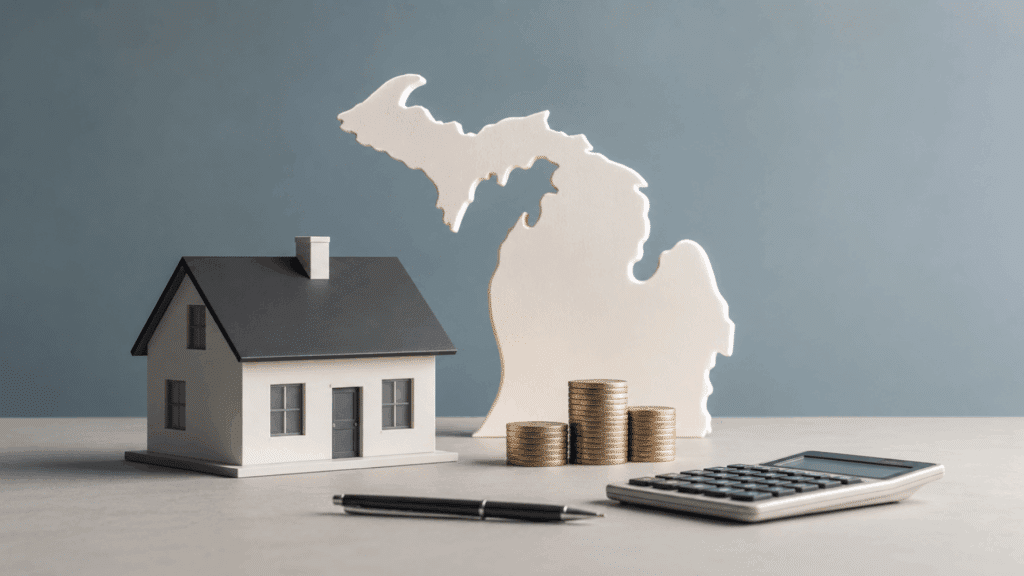
The typical cost of closing in the state of Michigan will be somewhere between 2% and 5% of the purchase price of your house. Based on the fact that the median price of homes in Michigan has recently been in the range of $230,000 to $260,000, you will end up paying somewhere between $4,600 and $13,000 for closing fees. The percentage of closing costs paid by sellers is much higher than that paid by buyers because the sellers also have to pay their share of the cost of real estate commissions. This is why the sellers end up paying between 6% and 10% of the cost of the home sold, including real estate commission.
Important Common Closing Costs for Michigan Buyers
| Name of Closing Costs | Description | Usual Amount |
| Loan Origination Fee | The fee charged by the lender for processing the mortgage application. | 0.5%-1% of the total amount of the loan. |
| Appraisal Fee | The fee charged by the lender for appraising the property. | $400-$700 |
| Home Inspection Fee | The cost of hiring a professional to perform a home inspection. | $300-$600 |
| Title Search & Title Insurance | The cost of ensuring that the property does not have any ownership issues. | Depends on the price of the property being bought. |
| Recording Fees | The fees paid to the county register of deeds for recording the transaction. | Depends on the county. |
| Prepaid Property Taxes & Homeowner’s Insurance | Fees collected to create an escrow account to pay future taxes and homeowner’s insurance. | Depends on taxes and insurance premiums. |
| Credit Report Fee | The cost of obtaining the credit report from the consumer reporting agency. | $25-$75 |
| Michigan Transfer Tax | The transfer tax of the state of Michigan on the real property transaction. | Paid mostly by the seller. |
What is the Michigan Transfer Tax?
Michigan imposes both a state and county real estate transfer tax whenever property ownership is transferred. The state transfer tax is generally $3.75 for every $500 of the property’s sale price, while the county transfer tax is typically $0.55 for every $500, although some counties may charge higher rates. For a home sold for $250,000, the combined transfer taxes would total approximately $2,150. These taxes are usually paid by the seller, although the purchase agreement may specify a different arrangement.
Michigan Sellers’ Common Closing Costs
Michigan sellers typically pay the larger share of closing costs, primarily due to real estate commission fees. These commissions generally range from 5% to 6% of the home’s sale price and are usually split between the buyer’s agent and the seller’s agent. In addition to commission fees, sellers commonly pay state and county transfer taxes, a portion of the title insurance, prorated property taxes, and any agreed-upon repair credits or seller concessions.
Important Factors that Influence Closing Costs
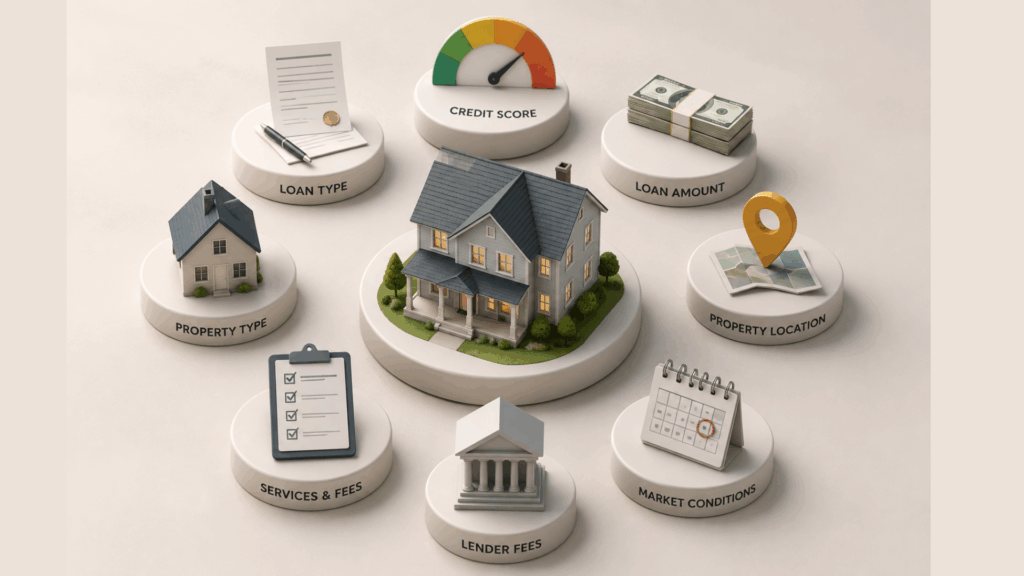
Several factors can affect closing costs in Michigan. The type of mortgage loan you choose plays a significant role, as FHA, VA, USDA, and conventional loans each have different fees and insurance requirements. The property’s location can also impact costs because transfer taxes and recording fees vary by county. Other factors include the lender you choose, the complexity of the title search, and any negotiated seller concessions.
How Can You Cut Closing Costs in Michigan?
- Shop around for lenders and get Loan Estimates from various lenders.
- Bargain with the seller for your closing costs to be paid by them.
- Get a no-closing-cost loan, where closing costs will go into the interest rate.
- Timing of closing will help avoid paying prepaid interest.
- Check the Closing Disclosure and question anything unknown or duplicated.
Why does working with a Trusted Lender matter?
Closing costs can seem overwhelming, especially for first-time home buyers in Michigan. At Reliance Financial, our experienced lending team provides you with a detailed estimate of your closing costs early in the home buying process, helping you avoid unexpected expenses at closing. We guide buyers through comparing loan options, identifying negotiable fees, and finding ways to reduce costs while securing a mortgage that fits their financial goals.
Conclusion
Closing costs are an unavoidable part of buying or selling a home in Michigan. Buyers typically pay between 2% and 5% of the home’s purchase price in closing costs, while sellers often pay more due to real estate commissions and transfer taxes. The exact amount will depend on factors such as the loan type, purchase price, and negotiated terms. Understanding these costs in advance can help you budget with confidence and avoid surprises.
If you are planning to buy or sell a home in Michigan, Reliance Financial is here to help. Contact us today for a personalized estimate of your closing costs and expert guidance throughout the process.
FAQs
What are the average closing cost percentages in Michigan?
On average, Michigan homebuyers pay 2% to 5% of the home’s selling price as closing costs, and the sellers pay 6% to 10% in total closing costs.
Does the buyer or seller pay for closing costs in Michigan?
Both have to pay their respective closing costs. Buyers pay loan-related fees, whereas sellers pay commission and transfer tax, although other closing costs may be shared.
Are closing costs in Michigan included in the mortgage?
Some lenders provide loans without any closing costs, where closing costs are added either to the loan amount or to the loan’s interest rates.
What is the transfer tax in Michigan?
In Michigan, the transfer tax is a combination of state and county rates, which are nearly $3.75 and $0.55 per $500 of the selling price, respectively, and are normally paid by the seller unless another arrangement has been made.
Do closing costs differ from one county to another in Michigan?
Yes, closing costs differ from one county to another in Michigan, as the counties have different transfer taxes, recording fees, and title insurance rates.