
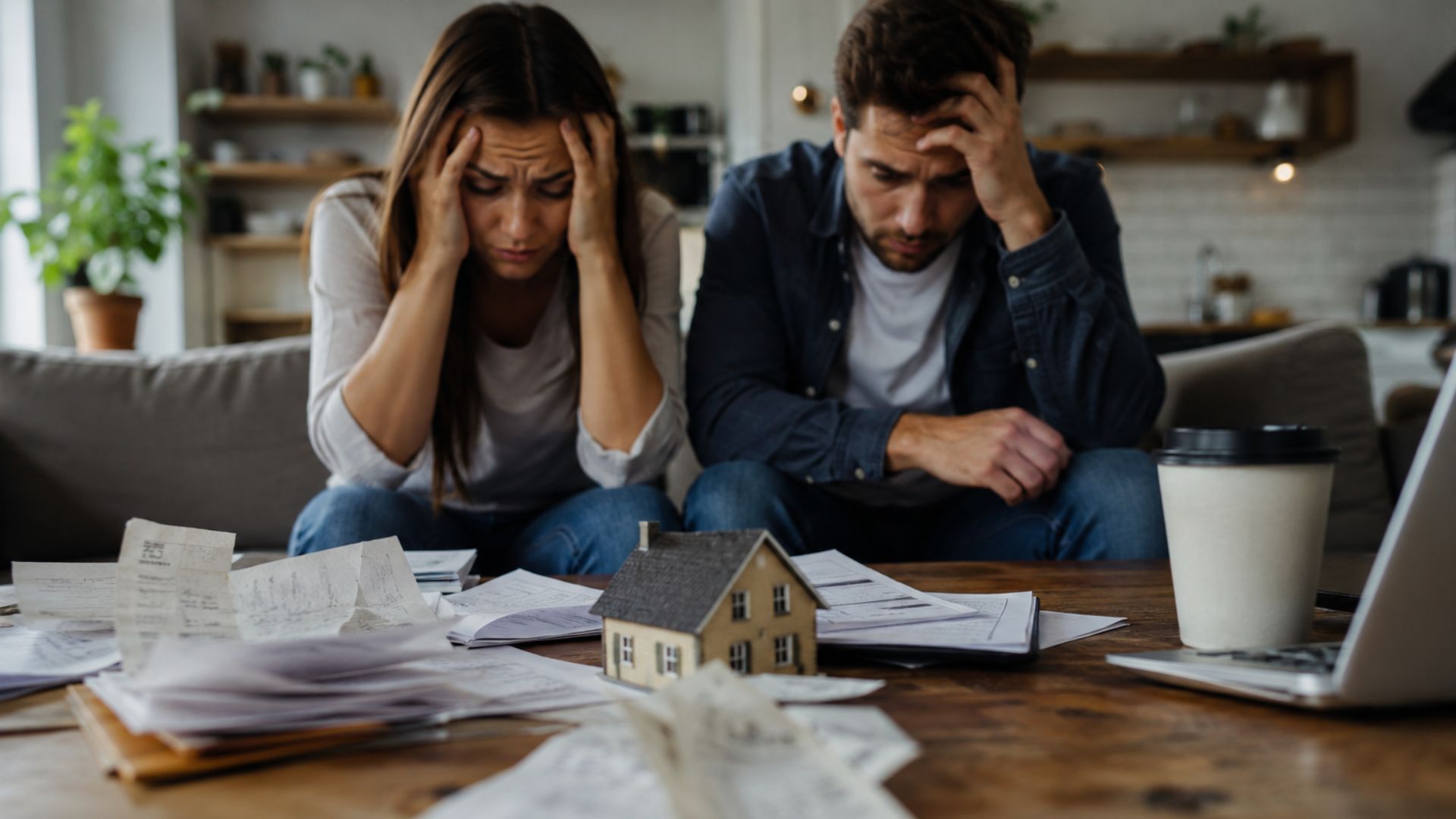
Purchasing a house is one of the most expensive undertakings a person will ever face in life. The process involves many steps, including loans, legal issues, inspections, and negotiations. People often search for the perfect house, but some overlook important factors that may cost them dearly.
Indeed, small mistakes can cost you around $10,000 or even more, which could have been avoided if you had been more careful during the property purchase process. These mistakes often result from overspending during the home-buying process, a lack of knowledge about expenses, choosing unsuitable mortgages, and poor home inspections.
Unfortunately, mistakes are not always easy to detect at first, and they often become apparent only after the purchase. It is very difficult, or even impossible, to undo such errors, as they can be very costly.
This report highlights the most expensive mistakes people make when buying a house, the causes of these mistakes, and how they can be avoided.
Market Insights on Mistakes HomeBuyers Make While Buying a Home in the U.S.
Mortgage info shows that around 63% of first-time homebuyers are surprised by closing costs and the overall expenses involved in purchasing a property, as they often fail to account for taxes, insurance, and lender fees.
The stats presented by the realtor show that around 44% of the homeowners did not understand the overall expense required in the process of buying a house due to their lack of awareness about closing costs, maintenance costs, taxes, insurance, repairs, and other such expenses in the buying process.
As per the data presented by Homecostlab, the average closing costs range from 2% to 5% of the amount paid for the home. For instance, in case one buys a home costing $350,000, the closing costs will range from $7,000 to $17,500.
Top 10 Mistakes Costing Home Buyers Over $10K (and how to avoid them)

Here are the top 10 mistakes that cost homebuyers $10,000 or more. Below is the list of the best ways to avoid these common mistakes.
Failure to Obtain Mortgage Pre-Approvals
When homebuyers purchase real estate, one of the first mistakes they make is failing to obtain mortgage pre-approval before starting their search. Although they may believe they have a clear budget, mortgage lenders consider various factors such as income levels and debt.
This helps determine whether the applicant qualifies for mortgages and also means that the home buyer ends up buying properties beyond their budget range.
Why it can cost you over $10k
Without budget limits, the homeowner may end up making unnecessarily high bids on homes.
He fails to qualify for mortgage loans with lower interest levels, especially at the beginning of the year.
Mortgage pre-approval can be a lengthy process and may result in buyers purchasing homes at higher market prices, potentially costing them more money.
How to avoid this mistake
Obtain mortgage pre-approvals before starting your property search process.
Ignoring Other Fees When Buying Your Dream Home
In the case of buying a property, many assume that only the cost of the house matters. Well, there are more costs involved.
Other fees include:
- Stamp duties/registration fees
- Costs incurred during documentation
- Fees paid to real estate agents
- Inspection and valuation fees
- Maintenance/society fees
Why is it expensive
Considering the cost of your dream house, some other fees can cost you dearly. Most people end up spending over $10,000 extra. Failing to plan for them will mean borrowing more and sacrificing other expenses.
How to avoid this mistake
Always consider the overall cost when deciding the budget you’ll set aside for buying your dream home. It will help if you obtain a list of all other costs before making your offer. In any case, it would be best to budget for 8-12% more in other fees.
No Home Inspection
This is extremely dangerous, especially when purchasing resale properties. There might be a lot of issues that will not be visible during a casual inspection.
Issues include:
- Cracks in structures
- Wiring issues and electrical problems
- Water leakage
- Roof and water moisture in the walls
- Termite issues
Why is it worth $10,000 or more?
These issues will increase over time and become more expensive in the future.
Preventing this problem
Arrange for a professional home inspector to check out the property before purchasing it. You can use this information to bargain for better prices from the seller.
Overlooking the Cost of Location
Location is not just about convenience; it also affects your total expenses.
The expense associated with being at a particular location:
- Transportation costs
- Fuel costs, toll fees, or public transport costs
- Increased expenses for maintenance in specific climates
- Access to amenities like educational institutions and healthcare facilities
Importance
An inconvenient location may cost you more in terms of money, even when it involves cheaper property expenses.
Steps to prevent yourself from making this error
Visit the location at various times during the day. Assess the transportation costs and the ease of access, and even check out future infrastructural developments.
Emotional Decisions vs. Logical Thinking when Buying Property
The purchase of property is always an emotional act. This involves getting attached to the environment, lighting systems, or staged homes, without considering the financial status.
Motives behind emotional response:
- FOMO (fear of missing out)
- Attraction
- Pressure from the realtor
Finances
When making decisions in an emotional state, one usually spends too much or does not consider affordable property that would suit them.
Ways to overcome emotional buying of property
- Considering other properties
- Evaluating the cost of the property in terms of per square foot.
No Bargain on the Price
It often happens that the buyers do not bargain for a better price and think the final price is the best. But a maximum number of homes have a negotiable price.
Why is it costly?
Even a slightly reduced price makes a big change and can result in the savings of $10,000.
How to avoid it
Research the prices for which similar properties have been sold previously in the same location. Find out any weaknesses in the property, like any pending repairs. Submit a rational proposal.
Choosing the wrong mortgage scheme or lender
The structure of the loan will influence your finances in the long run more than you may realize.
Common pitfalls:
- Choosing the lender without comparison
- Failing to consider the processing fee
- Not understanding the difference between fixed and floating interest rate plans
- Being ignorant about the prepayment penalties
Why is it expensive
The difference between fixed and variable rates may mean huge additional expenses when it comes to repayment.
How to avoid it
Look for offers from different lenders and calculate the total amount to be repaid instead of EMIs.
Failure to Verify Legality of Purchase
Legality verification is important when buying a property. Not getting all the documents verified can lead to several financial and legal issues.
Potential issues:
- Disputes on property ownership
- Unapproved construction on the property
- Loans taken against the property
- Not acquiring the necessary documents
Why may it be costly?
It may prove to be costly, as legal issues can cost you a lawsuit and even cause you to lose your property ownership.
How to prevent this mistake?
Speak to a lawyer before any payment.
Not Considering Maintenance Expenses in Advance
While many consumers look at the upfront cost of purchase without considering subsequent maintenance expenses.
Common expenses:
- Homeowners’ association fee per month
- Repair charges
- Rehabilitation expenses
- Appliance replacement
- Maintenance expenses
The importance
Over time, the maintenance expense might become higher than $10,000, especially when buying an old property.
How to avoid
Learn the history of the property maintenance and its age. Budget between 1% and 3% of the total cost of your property every year for maintenance.
Ignoring the Resale Potential
Many buyers focus on their current needs and do not give any consideration to the resale potential.
Errors to be avoided:
- Selection of bad designs
- Selection of unpopular real estate
- Ignoring the possible future development of infrastructures
Consequences on financial matters
The resale potential of the property can make it difficult to resell in the market or at a fair price.
A way of avoiding this error
One should buy real estate with growth potential and developed infrastructure.
Conclusion
Buying a house is much more than just a purchase; it is a major investment that can take many years to pay off. It can be an exciting experience; however, many pitfalls can lead to significant financial losses.
It is evident from the analysis of the ten most common mistakes in home buying that, while they are frequent, they are largely preventable with proper preparation.
This Reliance Financial guide tells your effort, care, negotiation, and foresight play crucial roles in reducing unnecessary costs, because money spent wisely today can save you at least $10,000 in the long run.
FAQs
What is meant by ‘closing costs’ in real estate?
Closing costs are all those charges that take place during the transfer of ownership of property, including lender’s fees, taxes paid, insurance paid, and legal charges. The typical range for closing costs is 2%-5% of the price of the property.
Is there a risk in avoiding a home inspection before buying a house?
The risk in avoiding a home inspection is huge because it could lead to structural, plumbing, or electrical problems that may cost you thousands of dollars to repair. These costs will exceed ten thousand dollars.
How do buyers ensure they don’t pay too much for a property?
A buyer can prevent overpricing by doing extensive research about prices in the market, comparing properties, and avoiding emotional decisions concerning price matters.
Why is mortgage comparison important?
Comparing mortgages enables buyers to secure loans at lower interest rates. Even a slightly lower interest rate can go a long way toward saving money overall and helping to prevent financial problems in the future.
What is the greatest mistake made by first-time home buyers?
The greatest mistake that first-time home buyers make is that they do not take into account the total cost incurred in acquiring the property. Buyers always focus on the EMI while ignoring all the other considerations.