



In general, buying a new home has always meant saving enough money and taking out a mortgage. Nowadays, however, due to the rising cost of housing, this has become much more difficult. For example, it is no longer uncommon for an average family home to cost more than $1 million. As a result, many people wonder what salary level is necessary to afford their own home.
Multiplying one’s salary many times to reach the total cost is only one part of buying a house or an apartment. There are other essential factors, such as taxes, fees, maintenance costs, debts, and so on. In some cases, the amount that banks approve for a home purchase may not be comfortable for everyone.
Whatever amount people wish to pay, whether $500 thousand or even $2 million, calculating the salary needed to make their dream come true is definitely worthwhile.
Important Stats that You Need to Know
According to the insights from Business Insider, the average income needed to purchase a house in the United States is estimated to be approximately $120,796, while the median household income is about $83,730. This indicates a considerable disparity between income levels and housing costs.
From the above-mentioned information generated from nahb, we can estimate that almost 75% of U.S. households would fail to afford a median-priced new house by the year 2025.
As mentioned on redfin, it has been recommended by financial experts that the 28/36 rule be followed, which states that the housing cost must not exceed 28% of the gross monthly income.
What Does ‘Afford a House’ Mean?

When buyers feel qualified by the bank for the mortgage loan, they feel comfortable affording the house. However, to afford something, you need extra finances after paying your bills each month.
Experts suggest that people adhere to the 28/36 rule, where:
- People should allocate 28% of their gross monthly income to cover the cost of owning a home.
- People’s debt shouldn’t be more than 36% of their monthly income.
Housing ratio is calculated using this formula:
Gross Monthly Income ÷ Monthly Housing Costs
The monthly housing costs are:
- Mortgage payment
- Property tax
- Insurance
- Association fee
- Maintenance
The Factors That Determine How Much Home You Can Afford
Down Payment
The down payment affects how affordable the home will be. The larger the down payment, the smaller the loan and the mortgage payment as well as the interest.
- 20 percent down eliminates PMI cost
- Small down payments translate to many monthly payments
- More equity translates to flexibility with money
Interest Rates
The interest rate determines the cost of mortgage payments. Small differences in interest rates can lead to extremely high costs after 30 years.
- Higher interest rates make the home unaffordable
- The monthly payments skyrocket immediately
- Loan amounts that buyers qualify for drop
- Any change raises mortgage interest by thousands
Property Tax and Home Insurance
Ownership of a home involves property taxes and insurance payments as well as purchasing a house. Property tax rates differ from place to place, just like insurance.
- Tax havens translate to high monthly payments
- Premiums continue to rise each year
- Climate factors determine premiums charged
- High-value homes have high insurance rates
Maintenance Fees and HOA Expenses
It is quite easy for buyers to ignore maintenance fees. It could be extremely costly to incur fees for maintenance, repairs, and HOA charges.
- Consider allocating about 1-2% of your property value annually
- Dues from the HOA may also include maintenance charges
- Your savings plan may be affected by repair costs
- Large homes are costlier to maintain
Debts
Existing debts will most certainly affect a buyer’s ability to make loan payments. Creditors use debt-to-income ratios to assess how much additional debt a person can take on.
- Student debts limit your available credit
- Car loans adversely affect your budgeting
- Credit card debts minimize loan approval chances
Amount of Income Required for Various Houses
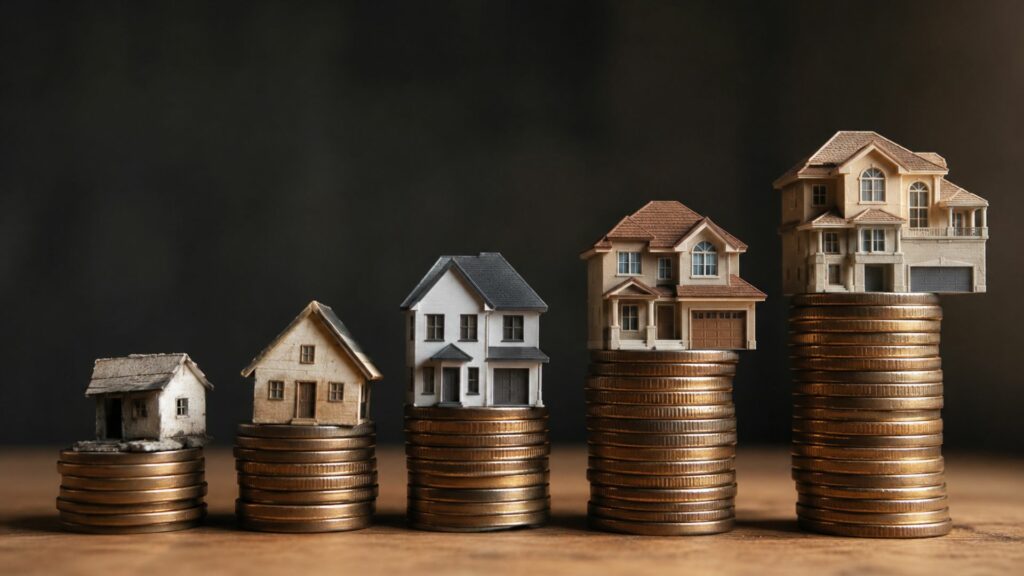
The income required to purchase a house depends on various factors, such as interest rates, taxes, debt, and the down payment. However, making certain assumptions makes it easier to estimate the required income.
Assumptions for examples below:
- Down payment = 20%
- Length of fixed mortgage = 30 years
- Interest rate = approximately 6.5%
- Tax and insurance = reasonable
- Debt = reasonable
Home worth $500,000
A typical home worth $500,000 may be considered a starter home in many growing suburbs or metropolitan areas. To make such a purchase, a person would typically need an annual income of about $120,000 to $140,000.
- Down payment: approx. $100,000
- Costs: approx. $3,000-$3,500 a month
- Preferred by two career couples and telecommuters
Home worth $750,000
In recent times, homes worth $750,000 have become quite popular in the suburbs surrounding big cities. If you want to afford such a purchase, then your income would need to be $170,000-$200,000 annually.
- Down payment: approx. $150,000
- Monthly costs: approx. $4,500
- Preferred by senior executives and IT workers
Home worth $1,000,000
In many costly urban areas, a home worth $1,000,000 can be considered a typical price range for a family home. To buy one of them, you should earn at least $250,000-$320,000 annually.
- Down payment: approx. $200,000
- Monthly cost: $6,000-$7,500+
Why Location Changes Everything?
| Factor | Role of the Location on the Cost of Acquiring Houses |
| Cost of the House | With the budget of $1 million, one would buy an expensive house in cheaper places, while in expensive places, one would be able to purchase either a condominium or a starter house only. |
| Taxes Costs | Taxes vary in different counties, and this determines the cost of acquiring homes. |
| Insurance Costs | Areas that are often subjected to natural calamities, such as hurricanes, flooding, and forest fires, incur high costs when purchasing houses. |
| Household Costs | The cost associated with living in different locations differs from one location to another, depending on various aspects. |
| Location Trend | Later, most people prefer moving to cheaper places but still earn their salaries from work in expensive places. |
| Cost of Affording the House | The geographic location has a significant role to play in terms of earning enough money to afford the house. |
Other Expenses Homeowners Usually Neglect
Everyone usually pays attention to the mortgage payments, but ignores other expenses that they have to pay when buying a home.
Among the most often neglected expenses, one should note the following:
- Closing costs
- Costs for furniture and appliances
- Fixing and renovating
- Utility expenses
- Yard care
- Pest removal
- Installations of security systems
- Increased transportation expenses
Moreover, larger homes often cause increased expenses for their owners because of the inflation of life-style connected with a bigger living space.
On average, mortgage expenses make up only 60-70% of all real estate-related expenses.
Signs You May Be Buying Too Much House
Your house should improve your lifestyle rather than make you a slave to it financially.
Some signals that you may be overbuying include:
- Lack of savings potential after servicing your monthly bills
- Dependency on extra income, such as bonuses or overtime, to settle debts
- Credit card repayments
- Delay in planning for retirement
- Stress when spending small amounts of money or in emergencies
Sound finances while owning your property will provide room for:
- Emergency savings
- Investment for retirement
- Career flexibility
- Leisure travels
Possessing houses that cost less than you can afford may grant you better finances later.
Tips to Improve Affordability
| Tips | What Makes Them Save Money? |
| Increasing the Initial Payment | By paying less, the amount borrowed is reduced, lowering the payments. |
| Improving Your Credit Score | The improvement increases your eligibility for cheaper mortgage loans. |
| Decreasing Your Debts | The lower the ratio between debt and income, the larger your borrowing ability. |
| Picking a Smaller House | A smaller house selection may help in saving a considerable amount of money. |
| Considering Other Areas | Looking for cheaper areas can prove to be more economical. |
Conclusion
The amount a person would need to pay to purchase a home costing between $500,000 and $2 million cannot be determined based on income alone. Several other factors, such as the down payment, interest rates, taxes, debts, insurance, and the location of the house, also play a significant role in determining affordability.
Although banks are capable of lending large amounts of money, responsible people tend to consider their future financial stability rather than borrowing the maximum amount available. Owning a house should not make it difficult for a person to meet their other financial needs.
At Reliance Financial, we suggest the ideal cost of a house is one for which the payments are manageable and comfortable.
FAQs
How much money is needed to acquire a $1 million property?
To purchase a home costing $1 million without facing any financial problems, one has to make at least $250K to $320K per year.
Can someone purchase a home without making down payments of 20% or higher?
Yes, most financiers offer a loan with a requirement of a down payment of 3%-5% of the total price. However, this raises monthly repayments, mortgage insurance, and overall expenses despite having less money to purchase the house.
What effect does an interest rate have on housing affordability?
The interest rate determines the monthly mortgage repayment rate. An increase in interest rates may significantly impact the total expenditure of the loan. Higher interest rates will lead to reduced loan options or increased incomes to buy the same property.
What is the best guide to follow concerning affordable homes?
Many professionals recommend adhering to the 28/36 rule because this rule states that the total amount of money paid for housing cannot be more than 28%. While overall debt should not be more than 36%.
Why Does Income Requirement Depend on Location?
A house worth $1 million might be considered a fancy house in one area, but in another, it could simply be considered a normal house. Therefore, income requirements in various places will vary.