
Purchasing a home is an important investment, and for many people, a $300,000 mortgage offers a balance of affordability and comfort. However, a common question for homebuyers is how much income you actually need to qualify for a $300,000 mortgage. The answer is not as simple as a single number, since lenders evaluate several financial factors beyond your salary. These include your income, loan term, and other considerations that work together to determine how much you can borrow and whether your loan will be approved.
Understanding these requirements before you begin house hunting can save you time and reduce stress. Having a clear picture of your financial position also puts you in a stronger negotiating position with both lenders and sellers. Whether you are buying your first home or planning to move to a larger property, knowing the income needed for a $300,000 mortgage helps you adjust your budget wisely and avoid overspending.
In this article, we explain how lenders calculate income requirements and what monthly payments look like. We also outline steps to improve your chances of qualifying for a loan. With the right preparation, a $300,000 home can become an achievable goal.
What Should Be the Ideal Salary for a $300,000 House Payment?
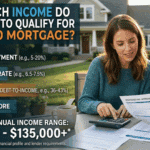
The ideal salary for a $300,000 house payment depends on how much you can comfortably spend each month without stressing your finances. A common guideline lenders use is the 28/36 rule, which suggests that your monthly housing costs should not exceed 28% of your gross monthly income, while your total debt payments should remain below 36%. Based on this rule, the typical monthly payment for a $300,000 home ranges from $1,800 to $2,300, depending on your interest rate and down payment.
To comfortably afford this payment, most homebuyers should aim for an annual salary between $75,000 and $95,000. This income range allows room for other living expenses and unexpected costs while still meeting lender requirements. If you have low debt and a strong credit score, you may qualify with a slightly lower income, whereas higher interest rates or additional debts can push the required salary higher.
The ideal salary is not just about getting approved by a lender, but about maintaining long-term financial stability while enjoying your new home without stress.
Main Factors That Affect Home Affordability
The points given below can have a great impact on how far your $300,000 goes during a home purchase:
- Income Level – Your income determines how much you can comfortably spend on a monthly mortgage payment. Higher income increases borrowing capacity and lender confidence.
- Debt-to-Income (DTI) Ratio – This ratio compares your monthly debt payments to your gross income. Lower DTI means better affordability and easier mortgage approval.
- Credit Score – A strong credit score helps you qualify for lower interest rates, reducing your monthly payment and total loan cost.
- Interest Rates – Even small changes in interest rates can significantly affect monthly payments and long-term affordability.
- Down Payment – A larger down payment reduces the loan amount, lowers monthly payments, and can help you avoid private mortgage insurance (PMI).
- Additional Ownership Costs – Property taxes, homeowners’ insurance, maintenance, and HOA fees add to the overall cost and must be included when evaluating affordability.
What Down Payment Options Are Available for a $300,000 Mortgage?
When buying a home with a $300,000 mortgage, your down payment plays a crucial role in determining your monthly payment, loan terms, and overall affordability. Traditionally, many lenders prefer a 20% down payment, which would amount to $60,000 on a $300,000 home. This option helps you avoid private mortgage insurance (PMI), lowers your monthly payments, and reduces the total interest paid over the life of the loan.
However, a 20% down payment is not required for everyone. Many buyers qualify for conventional loans with as little as 3%–5% down, which amounts to $9,000–$15,000. While this lowers your upfront costs, it usually comes with private mortgage insurance (PMI) until enough equity is built.
For eligible buyers, FHA loans offer down payments as low as 3.5%, making them popular among first-time homebuyers and those with lower credit scores. VA loans and USDA loans may require 0% down for qualifying veterans or buyers in rural areas, significantly reducing the cash needed at closing.
Choosing the right down payment depends on your savings, financial goals, and long-term plans, making it an important decision in the homebuying process.
Tips on How to Qualify for a $300K Mortgage
Qualifying for a $300,000 mortgage requires preparation, strong financial habits, and an understanding of what lenders look for. Start by improving your credit score, as higher scores can help you secure lower interest rates and better loan terms. Paying bills on time, reducing credit card balances, and avoiding new debt before applying can make a significant difference.
Next, focus on lowering your debt-to-income (DTI) ratio. Lenders prefer borrowers whose total monthly debt payments are below 36%–43% of their gross income. Paying off existing loans or increasing your income can improve your DTI and boost your chances of approval.
Saving for a larger down payment can also help. While low down payment options are available, putting more money down reduces your loan amount, lowers your monthly payments, and may eliminate the need for private mortgage insurance (PMI). Additionally, building a strong employment history is important, as lenders typically want to see stable income over the past two years.
Finally, get pre-approved for a mortgage before house hunting. Pre-approval shows sellers you’re serious and gives you a clear budget, helping you move confidently toward purchasing your $300K home.
How Do You Obtain a $300K Mortgage?
- Check Your Financial Readiness – Review your income, savings, credit score, and monthly expenses to ensure you can comfortably afford a $300K mortgage without financial strain.
- Improve Your Credit Score – Aim for a credit score of 680 or higher to qualify for better interest rates. Pay bills on time, reduce outstanding debt, and avoid opening new credit lines.
- Save for a Down Payment and Closing Costs – Depending on the loan type, you may need anywhere from 3% to 20% down, plus additional funds for closing costs and reserves.
- Lower Your Debt-to-Income Ratio (DTI) – Lenders prefer a DTI below 43%. Paying off loans or increasing your income improves your chances of approval.
- Get Mortgage Pre-Approval – A pre-approval letter confirms how much you can borrow and makes you a stronger buyer in competitive markets.
- Choose the Right Loan Program – Compare conventional, FHA, VA, and USDA loans to find the best fit for your credit profile and financial goals.
- Submit Your Application and Documents – Provide income proof, tax returns, bank statements, and employment history to complete the approval process smoothly.
Purchase Your Home With Reliance Financial!
If you’re ready to buy a home, Reliance Financial offers personalized mortgage solutions designed to make the process smooth and stress-free. Whether you’re a first-time buyer or upgrading to your dream home, their team will guide you every step of the way, from pre-approval to closing. With a commitment to transparent service and competitive mortgage rates from multiple lenders, Reliance Financial works to secure loan terms that align with your financial goals and budget.
One standout feature is the ability to get on-demand pre-approval and custom rate quotes quickly, often without impacting your credit score or needing extensive documentation upfront. This real-time insight lets you know exactly how much you can borrow before you start house hunting.
Their experienced mortgage advisors guide you through selecting the right loan program, whether conventional, FHA, VA, or other options, tailored to your situation. They explain down payments, interest rates, points, and closing costs so you can make confident decisions.
With strong customer reviews and a commitment to client support, Reliance Financial strives to make homeownership more accessible and easier to understand. Start your journey to homeownership with expert guidance and trusted service every step of the way.
FAQs about How Much Income Do You Need to Qualify for a $300,000 Mortgage?
1. What determines how much mortgage I can afford?
Lenders look at your income, credit score, existing debts, assets (including your down payment), and available closing funds to determine how much home you can afford. It’s best to get pre-approved early to know your budget.
2. What is mortgage pre-approval, and why is it important?
Pre-approval means a lender has reviewed your financial information and estimated how much they can lend you. It gives you a clear budget and makes your offers stronger when house-hunting.
3. How much down payment do I need?
Down payment requirements vary by loan type — some conventional loans accept low down payments, and government programs may allow even smaller or no down payment. Your mortgage advisor can help find the best fit.
4. Can I estimate my monthly mortgage payment?
Yes! Use the Reliance Financial Mortgage Calculator to input price, interest rate, down payment, taxes, and insurance. It provides an estimate of your monthly payment and affordability.
5. Do I need good credit to qualify?
While higher credit scores help secure better rates, different loan programs (like FHA or VA loans) may offer options for buyers with varied credit profiles. Your advisor can guide you.
6. How can Reliance Financial help me through the mortgage process?
They offer personalized guidance from pre-approval to closing, helping you choose the right loan option, understand costs, and navigate documentation for a smoother homebuying experience.