
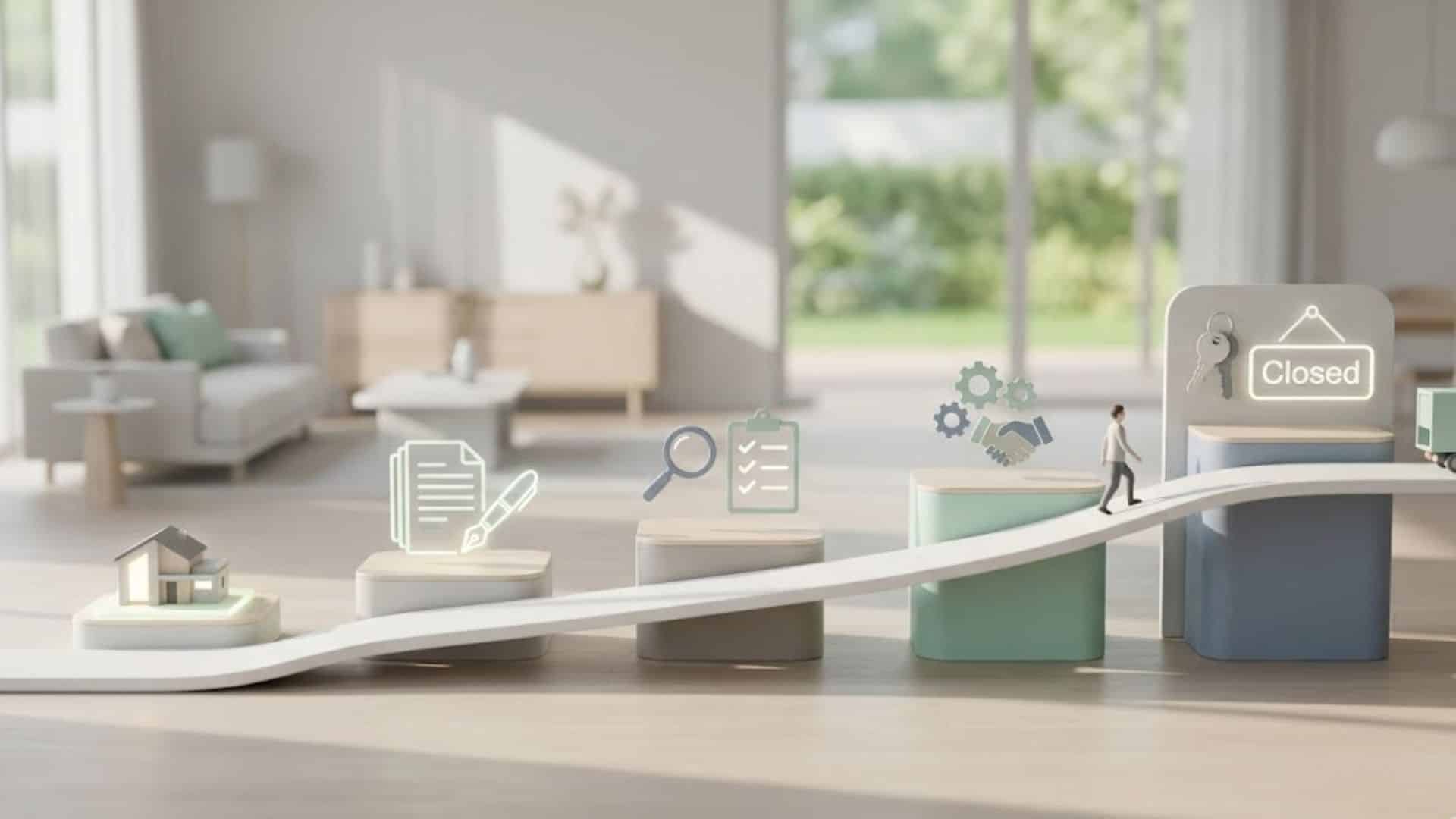
Buying a home is often the largest financial transaction most individuals ever undertake. Familiarizing yourself with the closing process may relieve stress and minimize unexpected problems along the way. One question most buyers and sellers ask: How long is the home closing process?
Typically, a home closing occurs between 30 and 60 days from the time the seller accepts your offer to purchase. Timeframe varies based on financing, inspections, appraisals, and title work. A cash purchase may close much sooner than a purchase involving a mortgage.
In this guide, we explain how long it takes to close a home, review what happens during each phase of the closing, and discuss how both the buyer and seller may speed up the process.
What Is the Home Closing Process?

The closing process is the final phase in a real estate transaction wherein the legal and financial responsibilities of ownership transfer from seller to buyer. A closing is the part where each individual part of the transaction must be met and agreed upon. These tasks generally involve:
- Buyer
- Seller
- Lender
- Real estate agents
- Title Company
- Real estate attorney(s) in some states
Average Home Closing Timeline
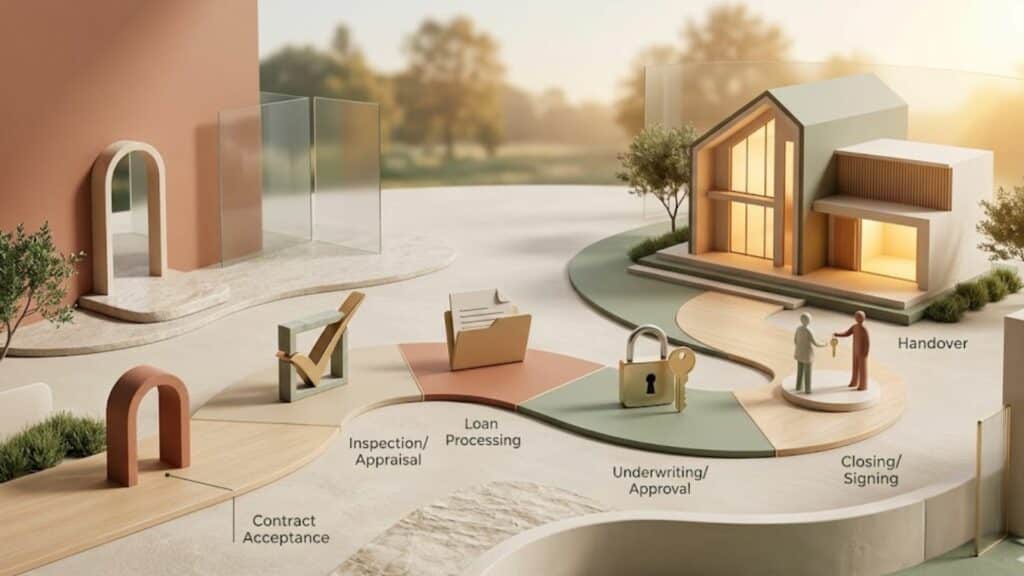
There are several variables that determine how long a closing period lasts, depending on your purchase type and the type of financing used.
Typical Closing Times:
- Conventional mortgage 30 to 45 days
- FHA/VA mortgage 45 to 60 days
- Cash purchase 7 to 14 days
- New construction homes can take months
To give you an idea, here is a sample closing timeline:
| Timeline Stage | Estimate |
| Offer acceptance | Day 1 |
| Home inspection | Days 7 to 10 |
| Appraisal | Days 10 to 20 |
| Loan underwriting | Days 20 to 35 |
| Final walkthrough | Days 35 to 45 |
| Closing day | Takes around 45 Days |
Though some closings move very quickly, delays can still occur due to financing issues or negotiations over repair work.
Home Closing Process Step-by-Step
- Offer Acceptance
This is the first step in the closing process, in which the seller accepts the buyer’s offer. Both parties will sign a purchase agreement that outlines the terms of the sale, including the purchase price, closing date, and any contingencies or conditions that must be met before the transaction can be completed.
The buyer is typically required to provide an earnest money deposit to demonstrate their commitment to purchasing the home.
- Home Inspection
The home inspection should be done in 7 to 10 days after the offer acceptance. The property should be inspected by licensed inspectors, which usually costs $300 to $600. They check things like:
- Roof
- Plumbing
- Electrical systems
- HVAC systems
- Foundation and structure
If any damage is noticed, the buyer can ask for a repair or a lower purchase price; this may lead to the postponement of the closing.
- Mortgage Approval and Underwriting
This is usually the longest step if the buyer is buying with a loan.
Buyer submits all documents, such as:
- Pay stubs
- Tax returns
- Bank statements
- Employment history
The lender will then review the buyer’s credit history, loan-to-debt ratio, income, and assets; this may take some weeks to complete.
- Home appraisal
Most lenders require a home appraisal as part of the mortgage approval process. During the appraisal, a licensed appraiser determines the property’s value by comparing it to similar homes that have recently sold in the area. If the appraised value comes in lower than the agreed-upon purchase price, the buyer and seller may need to renegotiate the terms of the sale. This can potentially delay the closing process.
- Title search and insurance
The title company conducts a title search to see if there are any liens (a legal claim) or ownership issues related to the property. Both the buyer and the lender will purchase title insurance to protect themselves if a title problem arises after the sale of the home. If a title problem occurs, the closing will be postponed until it is resolved.
- Final walkthrough
24 to 48 hours before closing, the buyer will do a final walkthrough to ensure all requested repairs have been completed. They can also check if the house has been kept in the agreed state and has not incurred any new damage since the initial inspection.
- Closing day
The last day to complete the deal is called closing day. The buyer and seller sign all of the required paperwork. The buyer will then pay the rest of the down payment and closing costs. The buyer receives the key to the house.
Common Reasons for Closing Delays
| Reasons | Explanation |
| Financial Problems | The delay in the mortgage may arise due to a change in employment status, taking more loans, having an open bank account, or even making late payments during the underwriting process. |
| Property Appraisal Value is Too Low | Since there may be an issue when the value of the property is lower than its actual price, this will cause the lender to reduce the amount of the loan offered. Such situations require negotiations between the parties. |
| Home Inspection | Home inspection issues include roof leakage, structural faults, electrical faults, etc., which lead to negotiations between the parties. |
| Clear Titles | Title clearing, including tax, liens, etc., needs to be done first to facilitate the process of closing. |
| Active Real Estate Market | The busy real estate market affects lenders, inspectors, and title companies, leading to delays in closing. |
Tips for Quick Closing
Both the buyer and the seller can help prevent delays by taking several steps to ensure the closing process moves forward as quickly as possible.
Tips for Buyer:
- Obtain preapproval even before starting the search for the right property.
- Make sure to present documentation promptly after receiving it from the lender.
- Don’t make any financial changes.
- Respond quickly to the lenders.
- Do not postpone inspections.
Tips for Seller:
- Carry out necessary repair work promptly.
- Arrange your title early.
- Have all needed documents prepared.
- Keep in touch with everyone involved in the closing process.
- With proper foresight and proactiveness, the process of closing will go smoother for both the seller and the buyer.
Conclusion
To answer the question of how long it takes to close on a house, the average closing time for buyers is 30 to 60 days, although it depends on many factors. Cash sales typically close much faster.
Reliance Financial says Understanding each stage of the closing process can help you avoid delays and set realistic expectations for yourself and the seller.
FAQs
Can closing be accomplished within two weeks?
Closing a property can be accomplished in two weeks, but only if such a closing is an all-cash transaction or involves some quick funding, inspection, and title services.
What causes the most common closing delays?
Most common closing delays are often caused by mortgage complications, negative appraisals, inspection negotiations, title complications, and even seasonal peak times for lenders and real estate agents.
Is the closing timeline influenced by the loan type?
Yes, the time it takes to close can vary depending on the type of loan. For example, conventional loans often close faster than FHA and VA loans because they typically involve fewer requirements and less documentation.
What takes place when closing?
When closing, buyers and sellers sign all documents, pay their part of the fees, and the house ownership is transferred to the buyer.
Is there any way to shorten the closing process for buyers?
Certainly, the buyers have ways to make the closing faster. Buyers need to provide the lenders with a preapproval letter, complete all documents required, keep the same financial status, etc.