
A home purchase is one of the most significant financial transactions you will ever make. Accordingly, it is important to understand that each stage is handled correctly, including whether a home inspection is required as part of the mortgage process. Generally, the answer is that it is not always required by lenders, but it is always strongly recommended for buyers.
Reliance Financial provides this information on home inspections and mortgage applications so you can move forward with confidence and clarity.
What Is A Home Inspection And How Does IT Differ From An Appraisal?

Many homebuyers confuse a home inspection with a home appraisal. While both involve a professional evaluating the property, they serve very different purposes.
A home appraisal is required by most mortgage lenders. It determines the fair market value of the property and ensures you are not borrowing more than the home is worth. When completing an appraisal, the appraiser considers comparable sales, the size and location of the home, and its overall condition.
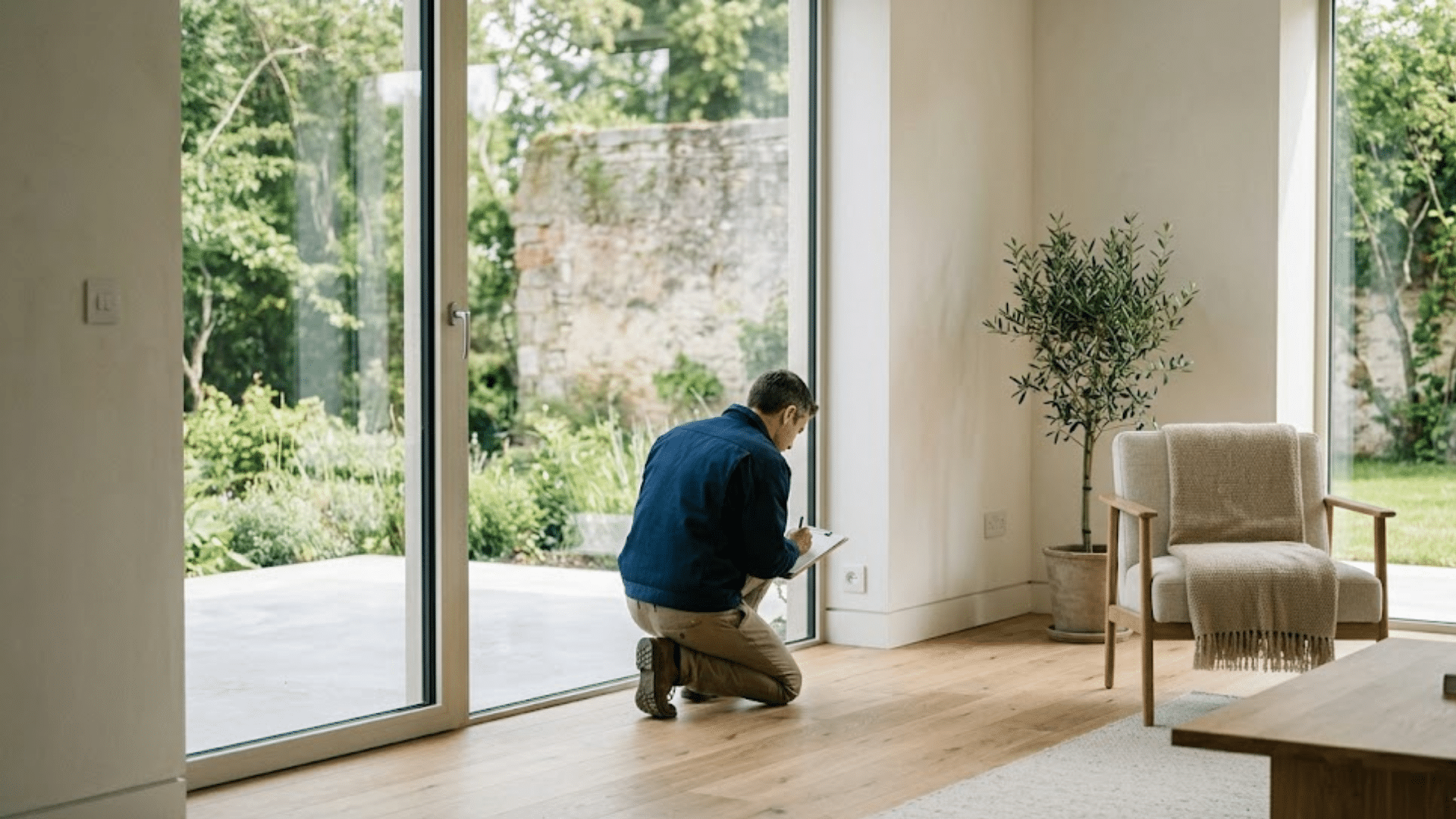
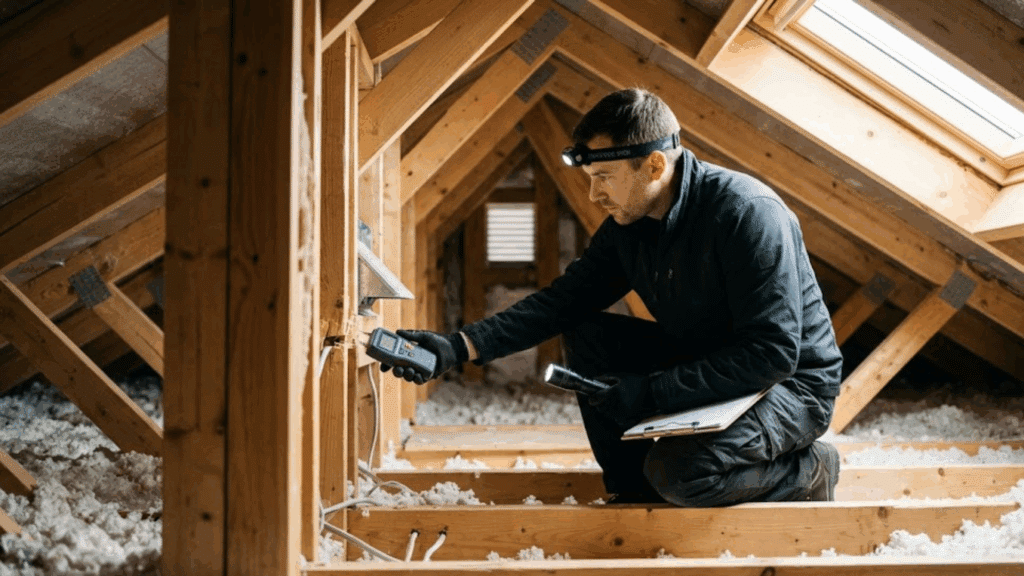
A home inspection, on the other hand, focuses on the physical condition of the property. The inspector evaluates key systems and components such as the roof, electrical systems, foundation, plumbing, insulation, and HVAC. The goal of a home inspection is to identify existing issues or potential future problems, rather than determine market value.
Do Mortgage Lenders Require A Home Inspection?
While a home inspection is usually not required when applying for a mortgage, requirements can vary depending on the type of loan.
Conventional loans: Lenders typically do not require a separate home inspection for a conventional mortgage, only an appraisal. However, if the appraisal identifies significant issues, the lender may request additional documentation or require repairs before approving the loan.
FHA loans: FHA loans (guaranteed by the Federal Housing Administration) are subject to more stringent property requirements. While the FHA doesn’t require you to get a separate home inspection, they are not necessarily going to approve you for an FHA loan even if your appraisal looks fine; it is up to the FHA appraiser to notify you of issues that might be related to health, safety, and habitability of the property.
VA loans: For loans backed by the U.S. Department of Veterans Affairs, the VA appraiser conducts a Minimum Property Requirements (MPR) evaluation. If the home does not meet these standards, the seller may be required to complete repairs. Although a separate home inspection is not mandatory, it is strongly recommended.
USDA loans: Loans backed by the United States Department of Agriculture require that the property meet basic standards of safety and livability. A separate home inspection is not required, but it is still recommended for buyer protection and peace of mind.
Why You Should Always Get A Home Inspection — Even If It Is Not Required
Not getting a home inspection, even when it is not required by lenders, is like rolling the dice. It can end up costing you significantly more down the line. Here is why a home inspection should always be on your checklist when buying a home:
Identify hidden deficiencies: Inspections can uncover structural or non-obvious issues that may not be visible during an initial walkthrough, such as a roof nearing the end of its life, faulty electrical wiring, leaky plumbing, or mold within walls. Identifying these issues before closing can save you thousands in future repair costs.
Renegotiate the purchase price or request repairs: Discovering significant defects after an inspection gives you leverage to negotiate. You may request a price reduction, ask the seller to complete necessary repairs before closing, or secure a closing credit to cover future repairs. Without an inspection, your negotiating power is typically limited.
Ability to Walk Away from a Bad Deal. Most standard purchase contracts include an inspection contingency, allowing you to withdraw from the contract if there are issues with the property. This can be one of your strongest defenses in protecting your earnest money deposit.
Budget for Future Repairs. Even if an issue doesn’t make it a deal-breaker, identifying it beforehand allows you to budget for its future maintenance/repair, such as a hot water tank nearing the end of its expected useful life or a roof that could require repair in a few years.
Make Informed Decisions. A thorough home inspection will give you a better understanding of the current condition of the property you’re thinking about buying, allowing you to make an informed decision about the largest purchase you’ll likely ever make.
How Much Does a Home Inspection Cost?
A home inspection for an average-sized house typically costs between $300 and $500, depending on the size of the home, geographic location, and the inspector’s experience. Costs may be higher for larger homes or properties with unique systems. Specialized inspections, such as mold, radon, asbestos, or sewer scope inspections, are usually charged separately.
While this may feel like an additional expense on top of an already significant investment, a professional home inspection is often well worth it for the insight it provides. The cost can be viewed as a form of insurance for the home you are purchasing.
When Does A Home Inspection Take Place During The Mortgage Process?
A home inspection typically occurs after your offer has been accepted by the seller and before closing. Here is how it fits within the wider mortgage process:
- You submit an offer, and it is accepted by the seller.
- You schedule the home inspection, usually within the inspection contingency period (typically 7 to 10 business days).
- The inspector conducts a walkthrough and provides a written report, usually within 24 to 48 hours.
- You review the report and decide whether to proceed with the purchase, renegotiate terms, or withdraw from the deal.
Once you are satisfied with the results, your lender continues with the mortgage process, including ordering the appraisal, verifying documentation, and moving toward final loan approval.
How To Find A Good Home Inspector?
Get certifications: If possible, look for an inspector certified by organizations such as the American Society of Home Inspectors or the International Association of Certified Home Inspectors.
- Read reviews: Check online reviews and ask your real estate agent for trusted recommendations.
- Attend the inspection: If possible, be present during the home inspection so you can ask questions while the inspector is on-site.
- Request a sample report: A reputable home inspector should be willing to provide an example report so you know what to expect.
Partner With Reliance Financial For A Smoother Mortgage Experience
At Reliance Financial, we know that the homebuying process can be confusing. From understanding the difference between an inspection and an appraisal to knowing loan types, the expert mortgage professionals at Reliance Financial will be there for you every step of the way.
We provide competitive rates for mortgages throughout California, Texas, Florida, Colorado, Michigan, Virginia, and Washington State. Whether you are buying your first home or you are an experienced homeowner looking to refinance, Reliance Financial focuses on personalized service and ensuring that all of your homeownership goals come first. We provide you with the clarification and transparency to make a home-buying decision that gives you a clear perspective and peace of mind.
Ready for the next step? Get your free custom rate quote today at reliancefinancial.com, with no personal information and no impact on your credit score.
Conclusion
While not required to secure a mortgage for every type of home purchase, a home inspection should be seriously considered by every buyer. It helps protect your investment, provides negotiating power, and reduces uncertainty about what you are truly purchasing. In most cases, the lender requires an appraisal, which protects the lender’s interests. A home inspection protects yours.
A small upfront investment of a few hundred dollars for an inspection can potentially save thousands, even tens of thousands, of dollars in future repairs. This makes it well worth it when buying what is likely the largest purchase of your life.
Trust the process, trust the professionals, and trust Reliance Financial to guide you home.
FAQs
Q1: Do I need a home inspection to buy a home?
Most lenders don’t require an inspection to secure a mortgage. However, government-backed loans such as the FHA will bring up potential problems with the property during the appraisal, therefore making a home inspection recommended.
Q2: What is the difference between a home inspection and an appraisal?
An appraisal measures the market value of the home and the loan for the lender. A home inspection identifies problems with the property for the buyer. They each have their role in the buying process.
Q3: What does a home inspection cost?
A general home inspection usually costs between $300- $500. Special home inspections that would include inspections for mold, radon, or sewer lines are an additional cost.
Q4: Can I skip the home inspection to close faster?
It is not recommended to skip the home inspection. Hidden defects such as wiring problems or plumbing leaks are often not discovered until after the closing, and the cost to fix the damage may be in the thousands.
Q5: What can I do if the inspection reveals damage to the home?
There are 3 main options: you can negotiate repairs to the home, negotiate a lower purchase price, or terminate the purchase agreement based on the inspection contingency. The inspection contingency protects your earnest money should issues arise during the inspection.
Q6: Do VA loans require a home inspection?
VA loans do not require a home inspection for their buyers; however, they do have a Minimum Property Requirements check that is part of the VA appraisal. Veteran buyers should still obtain a separate inspection.