
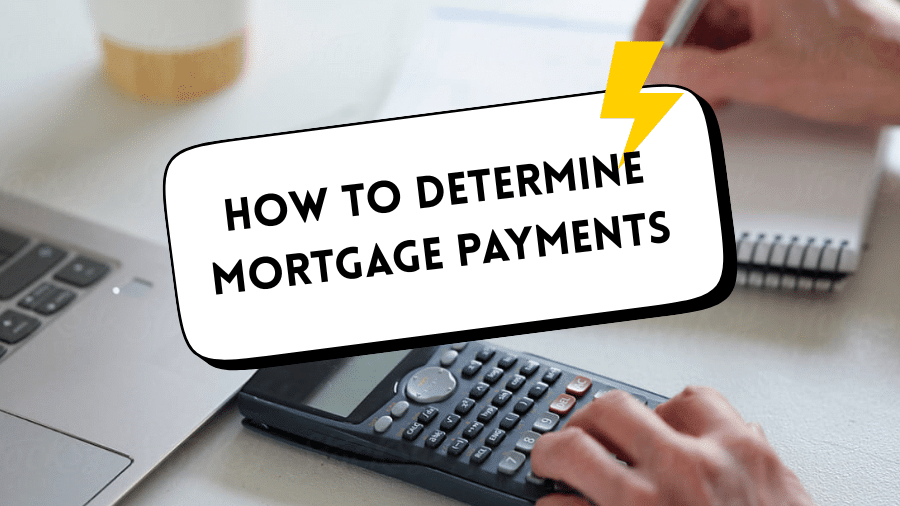
When buying a home, understanding how to determine your mortgage payment is more important than ever. Whether you are a first-time buyer or looking to refinance your home loan, it is essential to know your exact monthly mortgage payment. This knowledge helps you avoid unexpected costs and choose the right loan. As we all know, a monthly mortgage payment is determined by several factors, including the loan amount, interest rate, taxes, insurance, and other relevant costs. Stay connected to know more about How To Determine Mortgage Payments.
In this guide, we will explain how to determine a mortgage payment, discuss the factors that influence your EMI, and compare different mortgage options. If you want to learn the right calculation strategy, keep reading this blog.
What is a Mortgage Payment?
The Mortgage Payment refers to the monthly loan amount that borrowers pay to the lender. Here are some major things included in it:
- Principal
- Interest
- Taxes
- Homeowners Insurance
- PMI (Private Mortgage Insurance)
What Factors Consider for Determine Mortgage Payments?
Before knowing how to determine a mortgage payment, it is important to understand the factors that determine the mortgage payment:
- Loan Amount: The loan amount is the total money that you borrow from the lender after subtracting the down payment. Always note one thing that a higher loan amount means a higher mortgage monthly payment.
- Interest Rate: The interest rate percentage also affects the monthly payment. Even a 0.5% increase in interest rate can increase the overall cost of the loan. That’s why I always try to get a lower interest rate.
- Loan Term: The type of loan term also affects your monthly mortgage payment, as 15-year and 30-year terms are among the most commonly used loan options. With a 30-year loan, you typically have lower monthly payments but pay more interest over time. With a 15-year loan, monthly payments are higher, but the interest rate is usually lower.
- Property Taxes: Property taxes always vary from state to state and are typically included in your monthly mortgage payment. This is why you should consider them when estimating your total housing costs.
- PMI: If your down payment is less than 20%, then you will likely pay PMI until you reach 20% equity in your home.
Step-by-Step Guide on How to Determine Mortgage Payments
Let’s see a step-by-step guide on how to determine a mortgage payment:
Step 1: Determine Loan Amount
First, you need to determine the loan amount, which is the total amount of money you borrow from the lender. To calculate this, subtract the down payment from the home price. Let’s understand this with an example:
Home Price: $300,000
Down Payment: 60,000 (20%)
Loan Amount: $300,000 – $60,000 = $240,000
Step 2: Identify the Interest Rate
The interest rate is the percentage a lender charges annually as a fee for borrowing money. This rate can be either fixed or variable. For example, if a lender offers a 6% interest rate on your loan, you will pay interest each month along with your loan payment.
Step 3: Choose the Loan Term
After identifying the interest rate, you need to choose the loan term. This refers to the number of years you agree to repay the loan. Common loan terms include 15, 20, and 30 years. If you choose a longer loan term, your monthly payments will be lower, and the opposite is true for shorter loan terms.
Step 4: Use the Mortgage Payment Formula
To Determine Mortgage Payments, you will need to use the formula. Let’s see:
r(1+r)^n
M = P —————————
(1+r)^n - 1
In this:
M: Monthly Payment
P: Loan Amount
r: Monthly Interest Rate
n: Total Number of Payments
Step 5: Add Taxes & Insurance
To determine your mortgage monthly payment, you will also need to include property taxes, homeowners’ insurance, and possibly Private Mortgage Insurance.
Let’s understand it with an example:
Property Taxes: $200/month
Home Insurance: $100/month
Total Monthly Payment will be:
$1,439.64 + $200 + $100 = $1,739.64
Why Calculation of Mortgage Payments Important?
Calculating your mortgage payment is more important than ever. Let’s see why:
Helps Plan Your Budget: By knowing your monthly mortgage payment, you can plan your budget more effectively. This also allows you to allocate funds for everyday expenses, savings, and emergencies without stretching your finances.
Determine Affordability: By calculating your mortgage payment, you can easily assess whether the loan fits within your budget. This allows buyers to choose a loan amount they feel comfortable repaying.
Compare Loan Options: Calculating your mortgage payment also allows you to compare different loans, interest rates, and terms. After evaluating these factors, you can choose the mortgage option that best suits your needs.
Prepare for Additional Cost: Some additional payments, such as property taxes, homeowners’ insurance, and more, are included in your mortgage. By calculating your mortgage payment, you can better prepare for these extra costs.
Don’t Forget to check: Tips to Lower Your Mortgage Payment
Final Thought
Determine Mortgage Payments is one of the most crucial steps every homebuyer should take. It helps you understand your loan amount, interest rate, and additional costs, enabling you to make an informed decision. In this detailed guide, we provide a step-by-step explanation of how to calculate your mortgage payment.
FAQ about How To Determine Mortgage Payments
Q. Is the property tax the same in all the mortgage payments?
Answer: No, Property taxes are not the same for all mortgage payments. It can change over time, depending on local government assessments and changes in tax rates.
Q. When should we recalculate my mortgage payment?
Answer: You should recalculate your mortgage payment when:
- When buying a new home
- Refinance your mortgage
- When you have an Adjustable Rate Mortgage
- If property taxes change significantly
- When planning for extra payment
Q. How can we make a lower mortgage payment?
Answer: You can make your mortgage payment lower by:
- Make a large down payment
- Choose a longer loan term
- Refinance to a lower interest rate
- Eliminate PMI once you reach sufficient equity
Q. What mistakes should I avoid while determining mortgage payments?
Answer: Some common mistakes that you should avoid while Determine Mortgage Payments:
- Ignoring property taxes
- Forgetting PMI
- Choosing a loan term without considering the total interest paid over time
- Overlooking the HOA fee
- Rely only on rough estimate